

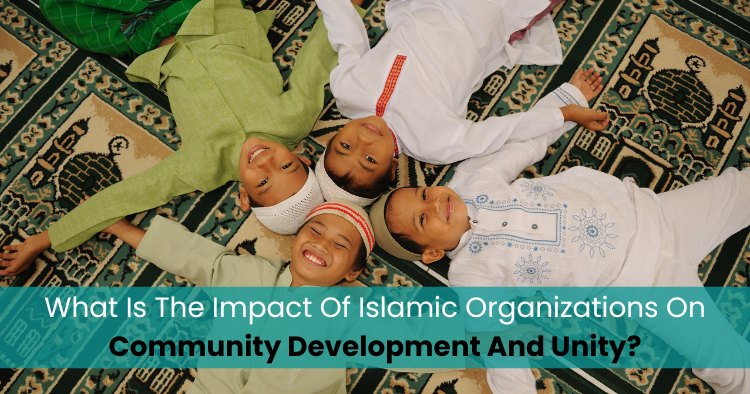
Impacts of Islamic Organizations on Muslim Community Development
1. Promote a Sense of Brotherhood
2. Support Matrimonial Relationships
3. Promote Learning Programs
4. Support Social Cohesion
5. Moral and Spiritual Guidance
6. Safeguard Human Rights
Challenges for the Islamic Organizations
Despite all these challenges, Islamic organizations are on their way to playing a vital role in promoting community development and unity. The commitment to the principles of compassion, justice, and solidarity are in the roots of Islamic teachings. By leveraging community networks, human capital, and moral authority, organizations such as ISNA have the potential to create a difference in society. They mobilize communities, advocate for positive change, and contribute to the existence of a just, equitable, and harmonious society.
To summarize, the impact of Islamic organizations on community development and unity is unmatched and multifaceted, encompassing tangible contributions in areas such as education, healthcare, and social welfare, as well as intangible effects on social cohesion, traditions, moral values, and interfaith dialogue. ISNA, along with other organizations across the country, remains resilient and committed to its mission of serving Muslims and promoting the common good. By harnessing the transformative power of Islamic codes and engaging rightly with diverse stakeholders, Islamic organizations have the potential to stimulate positive change and build a more inclusive, cohesive, and prosperous world for all.